Subscribe

RSS Feed (xml)

Powered By

Skin Design:
Free Blogger Skins

Powered by Blogger

Showing posts with label Science. Show all posts

Monday, March 24, 2008

article : Sex in Biology

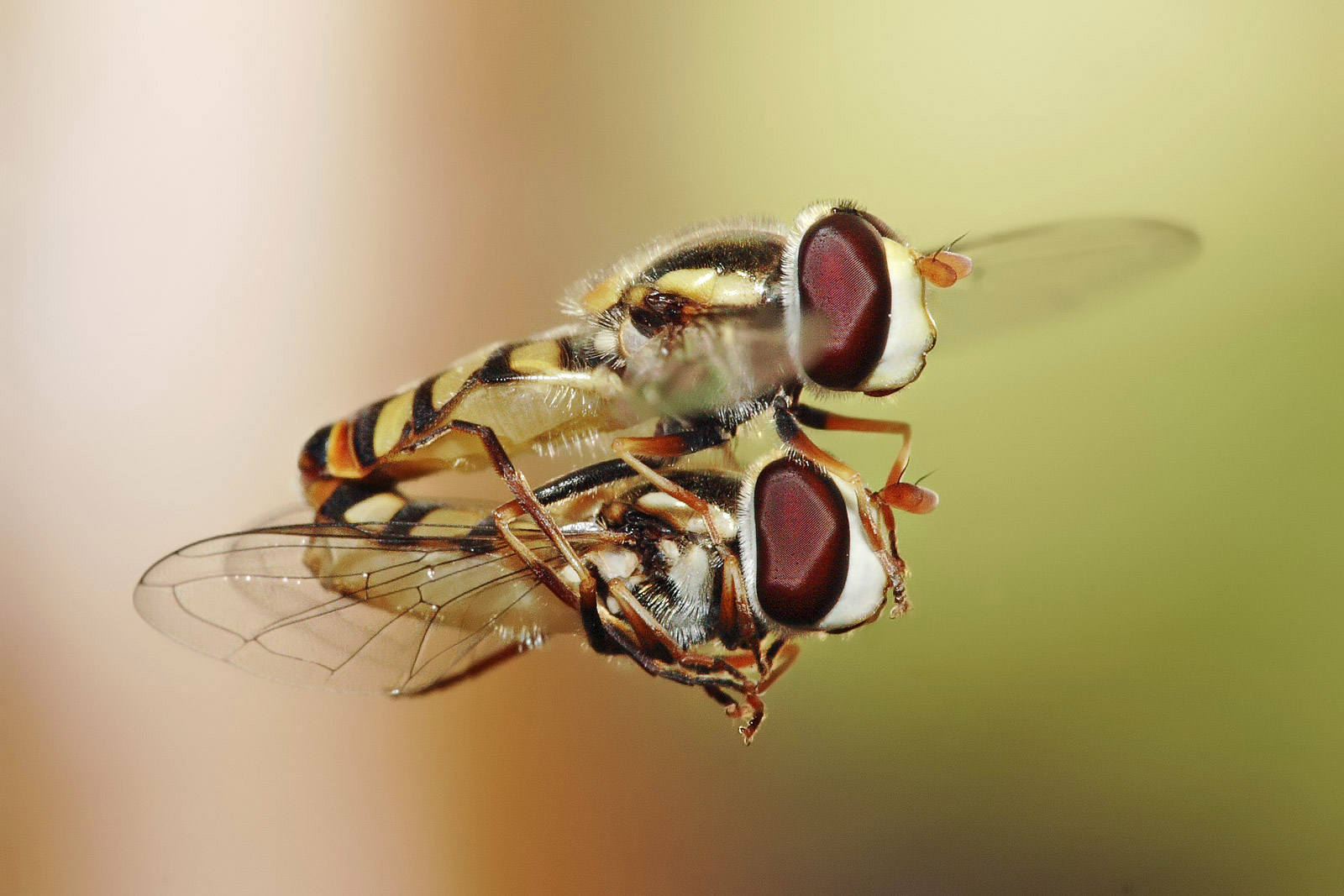
Sex refers to the male and female duality of biology and reproduction. Unlike organisms that only have the ability to reproduce asexually, many species have the ability to produce offspring through meiosis and fertilization. Often, individuals of the two sexes attract one another and communicate their readiness to procreate through biological changes, or, in social species, through courtship

behaviours.

An organism's sex is defined by its biological role in reproduction, not according to its sexual or other behavior. The female sex is defined as the one which produces the larger gamete and which typically bears the offspring. In contrast, the male sex has a smaller gamete and rarely bears offspring. In some animals and many plants, sex may be assigned to specific structures rather than the entire organism. Earthworms, for example, are normally hermaphrodites.

History

In 1896 Edmund Beecher Wilson wrote, "the determination of sex is not by inheritance, but by the combined effect of external conditions."[1] A little more than a decade later he was not so sure, "Does sex arise, as was long belived, as a response of the organism to external stimuli? Or is it automatically ordered by internal factors, and if so, what is their nature?"[2] Oscar Hertwig had, however, already observed fertilization in Toxopneustes lividus (a sea urchin) and other species, noting that it involved the fusion of sexually differentiated cell nuclei. This had been published in the first serial of Morphologismus Jahrbuch (1876).[3] By 1937, Cyril Dean Darlington was able to effectively define sexual reproduction, in the second edition of Recent Advances in Cytology — "Sexual differentiation demands the fusion of gametes which are morphologically different."[4] Although sex is genetically determined in most sexually reproducing species, there are exceptions. In some cases it is determined by social status or changes over the course of the lifecycle. Many species are hermaphrodite, individuals having both male and female sex organs, this is particularly common in flowering plants.

Sexual reproduction is a prevalent system for producing new individuals within various species. Individuals of sexually reproducing species produce special kinds of cells called gametes, whose function is specifically to fuse with one unlike gamete and hence form a new individual. This fusion of two gametes is called fertilization. The condition of having types of gametes that are externally similar—particularly in size—is isogamy; having gametes that are somewhat dissimilar is anisogamy. The condition of having greatly dissimilar gametes—particularly a large, immotile cell and a much smaller, motile one—is oogamy. By convention, the larger gamete cell is associated with female sex. Thus an individual that produces exclusively large gametes (ova in humans) is said to be female, and one that produces exclusively small gametes (spermatozoa in humans) is said to be male. An individual that produces both types of gametes is called hermaphrodite (a name applicable also to people with one testis and one ovary). In some species hermaphrodites can self-fertilize, in others they can achieve fertilization with females, males or both. So far, however, people who are hermaphrodite have not been able to have children. Some species, like the Japanese Ash, Fraxinus lanuginosa, only have males and hermaphrodites, a rare reproductive system called androdioecy‎.

What is considered defining of sexual reproduction is the difference between the gametes and the binary nature of fertilization. Multiplicity of gamete types within a species would still be considered a form of sexual reproduction. However, of more than 1.5 million living species,[5] recorded up to about the year 2000, "no third sex cell — and so no third sex — has appeared in multicellular animals."[6][7][8] Why sexual reproduction has an exclusively binary gamete system is not yet known. A few rare species that push the boundaries of the definitions are the subject of active research for light they may shed on the mechanisms of the evolution of sex. For example, the most toxic insect,[9] the harvester ant Pogonomyrmex, has two kinds of female and two kinds of male. One hypothesis is that the species is a hybrid, evolved from two closely related preceding species.

Fossil records indicate that sexual reproduction has been occurring for at least one billion years.[10] However, the reason for the initial evolution of sex, and the reason it has survived to the present are still matters of debate; there are many plausible theories. It appears that the ability to reproduce sexually has evolved independently in various species. There are also cases where it has been lost. The flatworm, Dugesia tigrina, and a few other species can reproduce either sexually or asexually depending on various conditions.[11]

Animal species

Main article: Mating system

A few species have particularly complex sex determination systems. Although two sexes is the official maximum, these complex species could reasonably be said to have 3, 4 or 5 sexually distinct phenotypes. For example:

Humans

See Human sexuality for information about sexual activities, sexual sensation, sexual gratification, and sexual intimacy between human beings

In humans, "sex" is often perceived as a dichotomous state or identity for most biological and social purposes - such that a person can only be female or male. But many factors, including one's biology, environment, psychology and social context, have a role in determining how a particular person, and those around them, view their sex. Although the table below shows common differences between males and females, many people do not correspond to "male" or "female" with regard to every criterion. Additionally, about 1 to 1.7 percent of human beings exhibit biological sexual ambiguity to the degree that they cannot be physically classified as exclusively male or female. This is known as intersex. A person with intersex may have biological characteristics of both the male and female sexes.

"Primary" sexual characteristics are typically present at birth and directly involved in reproduction. "Secondary" sexual characteristics typically develop later in life (usually during puberty) and are not directly involved in reproduction. Differences between the sexes are known as sexual dimorphism. At the biological level these differences are usually:

Level Characteristics Female Male
Primary
Sex chromosomes XX XY
Gametes Ova Spermatozoa
Sex organs Ovaries Testes
Predominant Sex hormones Estrogen and Progesterone Testosterone
Hormonal Regime Cyclic during fertility Tonic (largely unchanging)
Anatomy of internal genitalia clitoral crura, vagina, uterus, fallopian tubes corpora cavernosa, urethra, prostate, seminal vesicles
Anatomy of external genitalia glans clitoris, labia, vulva, clitoral hood, perineal urethra penis, scrotum, foreskin, fused perineum
Secondary
Skeletal Structure Relatively shorter,
wider in hips
Relatively taller,
wider in shoulders,
bigger chest
Face Rounded jaw Bigger nose bone, brow bone,[21] squarer jaw,
facial hair
Body fat and muscle Relatively more fat Relatively more muscle[22]
Fat Distribution More in buttocks, hips and thighs More in abdomen
Body form development "Hourglass" shape: 8 "Triangular" shape:
Other Breasts Adam's apple and body hair

The relationship between the various levels of biological sexual differentiation is fairly well understood. Many of the biological levels are said to cause, or at least shape, the next level. For example, in most people, the presence of a Y chromosome causes the gonads to become testes, which produce hormones that cause the internal and external genitalia to become male, which in turn lead parents to assign 'male' as the sex of their child (assigned sex), and raise the child as a boy (gender of rearing). However, the degree to which biological and environmental factors contribute to the psychosocial aspects of sexual differentiation, and even the interrelationships between the various psychosocial aspects of differentiation, is less well understood as illustrated by the ongoing nature versus nurture debate. Unfortunately, because of a lack of focus on this area, studies may use data from research not designed to discern the role of sex. One sample of 432 papers publishing the results of gender-related genetics found that only 66.6% of them had set out to deal with the subject before conducting any research and 87.3% used unsound statistics.[23]

Social and psychological issues

Main article: Gender

Gender, in common usage, refers to the differentiation between men and women. It is individual's self-conception or social conception as being male or female, though gender is commonly used interchangeably with sex. Within the social sciences it often refers to specifically social differences, known as gender roles.

Gender discordance
See also: transgender and third gender

Discordance is the term used to describe the extent to which people differ from the usual biological and psychosocial types described above. Some discordances are biological, such as when the sex of the chromosomes (genetic sex) does not match the sex of the external genitalia (anatomic sex), such as in Swyer syndrome, a type of intersex condition. Discordances between the biological and psychosocial levels (such as when the gender identity does not match the anatomic sex) or between the various psychosocial levels (such as when the gender role does not match the gender identity) are even more common, but less well understood.

In gender theory, the term "heteronormativity" refers to the idea that human beings fall into two distinct and complementary categories, male and female; that sexual and marital relations are normal only when between two people of different genders; and that people should follow roles determined by their gender. Instead, some people have sought to define their sexuality and sexual identity in non-polar terms, in the belief that the simple division of all humans into "males" and "females" does not fit their individual conditions. A proponent of this movement away from polar oppositions, Anne Fausto-Sterling, recognized five sexes: male, female, merm (male pseudohermaphrodite), ferm (female pseudohermaphrodite) and herm (true hermaphrodite). Although she was heavily criticized, her idea demonstrates the difficulty and imperfection of the current social responses to these variations.

Social and legal considerations
Main article: Sociology of gender

Forms of legal or social distinction or discrimination based on sex include sex segregation and sexism. Notably, some businesses, public institutions, and laws may provide privileges and services for one sex and not another, or they may require different sexes to be physically separated. Recently, western societies have moved towards greater sexual equality.

In fiction

Various fictional accounts have not only discussed the subject of (human) sexes in great detail and width, but some, especially in science fiction, have also imagined species structured around only a single sex (hermaphrodites or stranger concepts) or even more than two sexes.

As such an example, in Iain M. Banks The Player of Games, a sentient species is divided into three sexes - a 'male' having a penis whose sperm is then fertilised by an 'apex' sex which has ovaries and a 'reversible vagina' used as an ovipositor to implant the fertilised eggs in the 'female' sex. In Banks's story, the distinction of three sexes causes even harsher societal stratification between the sexes than found in humanity, with the 'apex' sex being the clear dominant sex.[24]


See also


Read More......

article : Several of Biology Content

Biology (from Greek: βίος, bio, "life"; and λόγος, logos, "speech" lit. "to talk about life"), also referred to as the biological sciences, is the scientific study of life. Biology examines the structure, function, growth, origin, evolution, and distribution of living things. It classifies and describes organisms, their functions, how species come into existence, and the interactions they have with each other and with the natural environment. Four unifying principles form the foundation of modern biology: cell theory, evolution, genetics and homeostasis.

Biology as a separate science was developed in the nineteenth century, as scientists discovered that organisms shared fundamental characteristics. Biology is now a standard subject of instruction at schools and universities around the world, and over a million papers are published annually in a wide array of biology and medicine journals.[1]

Most biological sciences are specialized disciplines. Traditionally, they are grouped by the type of organism being studied: botany, the study of plants; zoology, the study of animals; and microbiology, the study of microorganisms. The fields within biology are further divided based on the scale at which organisms are studied and the methods used to study them: biochemistry examines the fundamental chemistry of life; molecular biology studies the complex interactions of systems of biological molecules; cellular biology examines the basic building block of all life, the cell; physiology examines the physical and chemical functions of the tissues and organ systems of an organism; and ecology examines how various organisms and their environment interrelate.


Foundations of modern biology

There are four unifying principles of biology[citation needed]:

  • Cell theory. All living organisms are made of at least one cell, the basic unit of function in all organisms. In addition, the core mechanisms and chemistry of all cells in all organisms are similar, and cells emerge only from preexisting cells that multiply through cell division.
  • Gene theory. A living organism's traits are encoded in DNA, the fundamental component of genes. In addition, traits are passed on from one generation to the next by way of these genes. All information flows from the genotype to the phenotype, the observable physical or biochemical characteristics of the organism. Although the phenotype expressed by the gene may adapt to the environment of the organism, that information is not transferred back to the genes. Only through the process of evolution do genes change in response to the environment.
  • Homeostasis. The physiological processes that allow an organism to maintain its internal environment notwithstanding its external environment.

Cell theory

Main article: Cell theory

The cell is the fundamental unit of life. Cell theory states that all living things are composed of one or more cells, or the secreted products of those cells, for example, shell and bone. Cells arise from other cells through cell division, and in multicellular organisms, every cell in the organism's body is produced from a single cell in a fertilized egg. Furthermore, the cell is considered to be the basic part of the pathological processes of an organism

Evolution

Main article: Evolution

A central organizing concept in biology is that life changes and develops through evolution and that all lifeforms known have a common origin (see Common descent). This has led to the striking similarity of units and processes discussed in the previous section. Introduced into the scientific lexicon by Jean-Baptiste de Lamarck in 1809,Charles Darwin established evolution fifty years later as a viable theory by articulating its driving force, natural selection (Alfred Russel Wallace is recognized as the co-discoverer of this concept as he helped research and experiment with the concept of evolution). Darwin theorized that species and breeds developed through the processes of natural selection as well as by artificial selection or selective breeding.[3] Genetic drift was embraced as an additional mechanism of evolutionary development in the modern synthesis of the theory.

The evolutionary history of the species— which describes the characteristics of the various species from which it descended— together with its genealogical relationship to every other species is called its phylogeny. Widely varied approaches to biology generate information about phylogeny. These include the comparisons of DNA sequences conducted within molecular biology or genomics, and comparisons of fossils or other records of ancient organisms in paleontology. Biologists organize and analyze evolutionary relationships through various methods, including phylogenetics, phenetics, and cladistics. For a summary of major events in the evolution of life as currently understood by biologists, see evolutionary timeline.

Up into the 19th century, it was commonly believed that life forms could appear spontaneously under certain conditions (see spontaneous generation). This misconception was challenged by William Harvey's diction that "all life [is] from [an] egg" (from the Latin "Omne vivum ex ovo"), a foundational concept of modern biology. It simply means that there is an unbroken continuity of life from its initial origin to the present time.

A group of organisms share a common descent if they share a common ancestor. All organisms on the Earth both living and extinct have been or are descended from a common ancestor or an ancestral gene pool. This last universal common ancestor of all organisms is believed to have appeared about 3.5 billion years ago. Biologists generally regard the universality of the genetic code as definitive evidence in favor of the theory of universal common descent (UCD) for all bacteria, archaea, and eukaryotes (see: origin of life).

Evolution does not always give rise to progressively more complex organisms. For example, the process of dysgenics has been observed among the human population.


Gene theory

Clik this image about Schematic representation of DNA, the primary genetic material.

Main article: Gene

Biological form and function are created from and passed on to the next generation by genes, which are the primary units of inheritance. Physiological adaptation to an organism's environment cannot be coded into its genes and cannot be inherited by its offspring (see Lamarckism). Remarkably, widely different organisms, including bacteria, plants, animals, and fungi, all share the same basic machinery that copies and transcribes DNA into proteins. For example, bacteria with inserted human DNA will correctly yield the corresponding human protein.

The total complement of genes in an organism or cell is known as its genome which is stored on one or more chromosomes. A chromosome is a single, long DNA strand on which thousands of genes, depending on the organism, are encoded. When a gene is active, the DNA code is transcribed into an RNA copy of the gene's information. A ribosome then translates the RNA into a structural protein or catalytic protein.


Homeostasis

Main article: Homeostasis

Homeostasis is the ability of an open system to regulate its internal environment to maintain a stable condition by means of multiple dynamic equilibrium adjustments controlled by interrelated regulation mechanisms. All living organisms, whether unicellular or multicellular, exhibit homeostasis. Homeostasis exists at the cellular level, for example cells maintain a stable internal acidity (pH); and at the level of the organism, for example warm-blooded animals maintain a constant internal body temperature. Homeostasis is a term that is also used in association with ecosystems, for example, the atmospheric concentration of carbon dioxide on Earth has been regulated by the concentration of plant life on Earth because plants remove more carbon dioxide from the atmosphere during the daylight hours than they emit to the atmosphere at night. Tissues and organs can also maintain homeostasis.

See also: Health.

Structural

Clik this image about Schematic of typical animal cell depicting the various organelles and structures.

Molecular biology is the study of biology at a molecular level. This field overlaps with other areas of biology, particularly with genetics and biochemistry. Molecular biology chiefly concerns itself with understanding the interactions between the various systems of a cell, including the interrelationship of DNA, RNA, and protein synthesis and learning how these interactions are regulated.

Cell biology studies the physiological properties of cells, as well as their behaviors, interactions, and environment. This is done both on a microscopic and molecular level. Cell biology researches both single-celled organisms like bacteria and specialized cells in multicellular organisms like humans.

Understanding cell composition and how they function is fundamental to all of the biological sciences. Appreciating the similarities and differences between cell types is particularly important in the fields of cell and molecular biology. These fundamental similarities and differences provide a unifying theme, allowing the principles learned from studying one cell type to be extrapolated and generalized to other cell types.

Genetics is the science of genes, heredity, and the variation of organisms. Genes encode the information necessary for synthesizing proteins, which in turn play a large role in influencing (though, in many instances, not completely determining) the final phenotype of the organism. In modern research, genetics provides important tools in the investigation of the function of a particular gene, or the analysis of genetic interactions. Within organisms, genetic information generally is carried in chromosomes, where it is represented in the chemical structure of particular DNA molecules.

Developmental biology studies the process by which organisms grow and develop. Originating in embryology, modern developmental biology studies the genetic control of cell growth, differentiation, and "morphogenesis," which is the process that gives rise to tissues, organs, and anatomy. Model organisms for developmental biology include the round worm Caenorhabditis elegans, the fruit fly Drosophila melanogaster, the zebrafish Brachydanio rerio, the mouse Mus musculus, and the weed Arabidopsis thaliana.


Physiological

Main articles: Physiology and Anatomy

Physiology studies the mechanical, physical, and biochemical processes of living organisms by attempting to understand how all of the structures function as a whole. The theme of "structure to function" is central to biology. Physiological studies have traditionally been divided into plant physiology and animal physiology, but the principles of physiology are universal, no matter what particular organism is being studied. For example, what is learned about the physiology of yeast cells can also apply to human cells. The field of animal physiology extends the tools and methods of human physiology to non-human species. Plant physiology also borrows techniques from both fields.

Anatomy is an important branch of physiology and considers how organ systems in animals, such as the nervous, immune, endocrine, respiratory, and circulatory systems, function and interact. The study of these systems is shared with medically oriented disciplines such as neurology and immunology.


Evolution

Clik this image about In population genetics the evolution of a population of organisms is sometimes depicted as if travelling on a fitness landscape. The arrows indicate the preferred flow of a population on the landscape, and the points A, B, and C are local optima. The red ball indicates a population that moves from a very low fitness value to the top of a peak.

Main articles: Evolutionary biology, Evolution, Evolutionary synthesis, and Natural selection

Evolution is concerned with the origin and descent of species, as well as their change over time, and includes scientists from many taxonomically-oriented disciplines. For example, it generally involves scientists who have special training in particular organisms such as mammalogy, ornithology, botany, or herpetology, but use those organisms as systems to answer general questions about evolution. Evolutionary biology is mainly based on paleontology, which uses the fossil record to answer questions about the mode and tempo of evolution, as well as the developments in areas such as population genetics and evolutionary theory. In the 1980s, developmental biology re-entered evolutionary biology from its initial exclusion from the modern synthesis through the study of evolutionary developmental biology. Related fields which are often considered part of evolutionary biology are phylogenetics, systematics, and taxonomy.

Up into the 19th century, it was believed that life forms were being continuously created under certain conditions (see spontaneous generation). This misconception was challenged by William Harvey's diction that "all life [is] from [an] egg" (from the Latin "Omne vivum ex ovo"), a foundational concept of modern biology. It simply means that there is an unbroken continuity of life from its initial origin to the present time.

A group of organisms shares a common descent if they share a common ancestor. All organisms on the Earth have been and are descended from a common ancestor or an ancestral gene pool. This last universal common ancestor of all organisms is believed to have appeared about 3.5 billion years ago. Biologists generally regard the universality of the genetic code as definitive evidence in favor of the theory of universal common descent (UCD) for all bacteria, archaea, and eukaryotes (see: origin of life).

The two major traditional taxonomically-oriented disciplines are botany and zoology. Botany is the scientific study of plants. Botany covers a wide range of scientific disciplines that study the growth, reproduction, metabolism, development, diseases, and evolution of plant life. Zoology involves the study of animals, including the study of their physiology within the fields of anatomy and embryology. The common genetic and developmental mechanisms of animals and plants is studied in molecular biology, molecular genetics, and developmental biology. The ecology of animals is covered under behavioral ecology and other fields

Taxonomy

Clik this image about A phylogenetic tree of all living things, based on rRNA gene data, showing the separation of the three domains bacteria, archaea, and eukaryotes as described initially by Carl Woese. Trees constructed with other genes are generally similar, although they may place some early-branching groups very differently, presumably owing to rapid rRNA evolution. The exact relationships of the three domains are still being debated.

Main article: Taxonomy

Classification is the province of the disciplines of systematics and taxonomy. Taxonomy places organisms in groups called taxa, while systematics seeks to define their relationships with each other. This classification technique has evolved to reflect advances in cladistics and genetics, shifting the focus from physical similarities and shared characteristics to phylogenetics.

Traditionally, living things have been divided into five kingdoms:[6]

Monera -- Protista -- Fungi -- Plantae -- Animalia

However, many scientists now consider this five-kingdom system to be outdated. Modern alternative classification systems generally begin with the three-domain system:[7]

Archaea (originally Archaebacteria) -- Bacteria (originally Eubacteria) -- Eukarya

These domains reflect whether the cells have nuclei or not, as well as differences in the cell exteriors.

Further, each kingdom is broken down continuously until each species is separately classified. The order is:

The scientific name of an organism is obtained from its genus and species. For example, humans would be listed as Homo sapiens. Homo would be the genus and sapiens is the species. Whenever writing the scientific name of an organism, it is proper to capitalize the first letter in the genus and put all of the species in lowercase; in addition the entire term would be put in italics or underlined. The term used for classification is called taxonomy.

There is also a series of intracellular parasites that are progressively "less alive" in terms of metabolic activity:

Viruses -- Viroids -- Prions

The dominant classification system is called Linnaean taxonomy, which includes ranks and binomial nomenclature. How organisms are named is governed by international agreements such as the International Code of Botanical Nomenclature (ICBN), the International Code of Zoological Nomenclature (ICZN), and the International Code of Nomenclature of Bacteria (ICNB). A fourth Draft BioCode was published in 1997 in an attempt to standardize naming in these three areas, but it has yet to be formally adopted. The Virus International Code of Virus Classification and Nomenclature (ICVCN) remains outside the BioCode.


Environmental

Main articles: Ecology, Ethology, Behavior, and Biogeography

Ecology studies the distribution and abundance of living organisms, and the interactions between organisms and their environment. The environment of an organism includes both its habitat, which can be described as the sum of local abiotic factors such as climate and ecology, as well as the other organisms that share its habitat. Ecological systems are studied at several different levels, from individuals and populations to ecosystems and the biosphere. As can be surmised, ecology is a science that draws on several disciplines.

Ethology studies animal behavior (particularly of social animals such as primates and canids), and is sometimes considered a branch of zoology. Ethologists have been particularly concerned with the evolution of behavior and the understanding of behavior in terms of the theory of natural selection. In one sense, the first modern ethologist was Charles Darwin, whose book "The Expression of the Emotions in Man and Animals" influenced many ethologists.

Biogeography studies the spatial distribution of organisms on the Earth, focusing on topics like plate tectonics, climate change, dispersal and migration, and cladistics.

Every living thing interacts with other organisms and its environment. One reason that biological systems can be difficult to study is that so many different interactions with other organisms and the environment are possible, even on the smallest of scales. A microscopic bacterium responding to a local sugar gradient is responding to its environment as much as a lion is responding to its environment when it searches for food in the African savannah. For any given species, behaviors can be co-operative, aggressive, parasitic or symbiotic. Matters become more complex when two or more different species interact in an ecosystem. Studies of this type are the province of ecology.


History

Although the concept of biology as a single coherent field arose in the 19th century, the biological sciences emerged from traditions of medicine and natural history reaching back to Galen and Aristotle in the ancient Greco-Roman world, which were then further developed in the Middle Ages by Muslim physicians and biologists such as al-Jahiz,[8] Avicenna,[9] Avenzoar[10] and Ibn al-Nafis.[11] During the European Renaissance and early modern period, biological thought was revolutionized in Europe by a renewed interest in empiricism and the discovery of many novel organisms. Prominent in this movement were Vesalius and Harvey, who used experimentation and careful observation in physiology, and naturalists such as Linnaeus and Buffon who began to classify the diversity of life and the fossil record, as well as the development and behavior of organisms. Microscopy revealed the previously unknown world of microorganisms, laying the groundwork for cell theory. The growing importance of natural theology, partly a response to the rise of mechanical philosophy, encouraged the growth of natural history.[12][13]

Over the 18th and 19th centuries, biological sciences such as botany and zoology became increasingly professional scientific disciplines. Lavoisier and other physical scientists began to connect the animate and inanimate worlds through physics and chemistry. Explorer-naturalists such as Alexander von Humboldt investigated the interaction between organisms and their environment, and the ways this relationship depends on geography—laying the foundations for biogeography, ecology and ethology. Naturalists began to reject essentialism and consider the importance of extinction and the mutability of species. Cell theory provided a new perspective on the fundamental basis of life. These developments, as well as the results from embryology and paleontology, were synthesized in Charles Darwin's theory of evolution by natural selection. The end of the 19th century saw the fall of spontaneous generation and the rise of the germ theory of disease, though the mechanism of inheritance remained a mystery.[5][14][12]

In the early 20th century, the rediscovery of Mendel's work led to the rapid development of genetics by Thomas Hunt Morgan and his students, and by the 1930s the combination of population genetics and natural selection in the "neo-Darwinian synthesis". New disciplines developed rapidly, especially after Watson and Crick proposed the structure of DNA. Following the establishment of the Central Dogma and the cracking of the genetic code, biology was largely split between organismal biology—the fields that deal with whole organisms and groups of organisms—and the fields related to cellular and molecular biology. By the late 20th century, new fields like genomics and proteomics were reversing this trend, with organismal biologists using molecular techniques, and molecular and cell biologists investigating the interplay between genes and the environment, as well as the genetics of natural populations of organisms

See also Retrieved from "http://en.wikipedia.org/wiki/Biology"


Read More......

Monday, March 10, 2008

article : Ecological genetics of freshwater bacteria surveyed


Novel molecular techniques have been responsible for major strides in microbial ecology and are addressing broadly important scientific questions about the variety and distribution of microbial life, according to an article in the February 2008 issue of BioScience. The article, “Progress in the Ecological Genetics and Biodiversity of Freshwater Bacteria,” by Jürg B. Logue, Helmut Bürgmann, and Christopher T. Robinson, inaugurates a series of articles in BioScience on the theme “21st Century Directions in Biology.” Most issues of BioScience will include an article about the impacts of new molecular techniques on a range of biological fields.

The authors of the first “21st Century Directions in Biology” article summarize the history of techniques that allow the study of bacteria that cannot be cultured in the laboratory—the large majority. The first generation of such techniques was focused principally on the analysis of DNA sequences. Research that employed these techniques indirectly shed light on the nature of freshwater environments as a bacterial habitat. A particular problem in the study of freshwater environments is that they fluctuate greatly over time and space. It has become clear, however, that freshwater is quite different from terrestrial soil and marine environments in terms of the bacteria present.

Progress has brought new information to bear on the long-debated question of what exactly constitutes a bacterial species. It has also clarified the role of random events in the distribution of such species: randomness appears to be a substantial, although not all-powerful, influence.
The newest techniques can analyze specific functional capabilities of bacteria, such as their ability to metabolize particular molecules. Moreover, some techniques can analyze multiple capabilities in parallel. These are being combined with accurate and sensitive measurement techniques. Such research is yielding new understanding of how microbial populations shift in response to environmental change, a question that is likely to loom larger as freshwater becomes a more limiting resource for human populations.

Source : American Institute of Biological Sciences

Read More......

Wednesday, February 27, 2008

article : Understanding Intelligent Design Theory

by Babu Ranganathan
theconservativevoice.com
January 19, 2008 01:00 PM EST

Imagine finding a planet where robots are programmed so that they can
make other robots just like themselves from raw materials.
Now, imagine an alien visitor coming to the planet and, after many
years of studying these robots, coming to the conclusion that since
science can explain how these robots work, function, and reproduce
there's no reason to believe that there was an ultimate intelligent
designer behind them.

The analogy above certainly is not perfect but it is sufficient to
reveal the fallacious thinking of those who attack intelligent design
behind life and the universe.

Chance physical processes can produce some level of order but it is
not rational to believe that the highest levels of order in life and
the universe are by chance. For example, amino acids have been shown
to be able to come into existence by chance but not more complex
molecules or structures such as proteins which require that the
various amino acids be in a precise sequence, just like the letters in
a sentence. If they're not in the right sequence the protein molecules
will not function. A single cell alone has millions of protein
molecules!

There is no innate chemical tendency for the various amino acids to
bond with one another in a sequence. Any one amino acid can just as
easily bond with any other. The only reason at all for why the various
amino acids bond with one another in a precise sequence in the cells
of our bodies is because they're directed to do so by an already
existing sequence of molecules in our genetic code. Without being in a
proper sequence protein molecules will not function.

The sequence of molecules in DNA (the genetic code) determines the
sequence of molecules in proteins. Furthermore, without DNA there
cannot be RNA, and without RNA there cannot be DNA. And without either
DNA or RNA there cannot be proteins, and without proteins there cannot
be DNA or RNA. They're all mutually dependent upon each other for
existence!

If the cell had evolved it would have had to be all at once. A
partially evolved cell cannot wait millions of years to become
complete because it would be highly unstable and quickly disintegrate
in the open environment, especially without the protection of a
complete and fully functioning cell membrane.
Of course, once there is a complete and living cell then the genetic
progam and higly complex biological mechanisms exist to direct the
formation of more cells. The cell's genetic code and biological
machinery will use and direct the raw materials, entering the cell
from the environment, into forming more cells. The question for
evolutionists and naturalists is how did the cell or life come about
when there was no directing mechanism in Nature.

If humans must use intelligence to perform genetic engineering, to
meaningfully manipulate the genetic code, then what does that say
about the origin of the genetic code itself!

Contrary to popular belief, scientists have never created life in the
laboratory. What scientists have done is genetically alter or engineer
already existing forms of life, and by doing this scientists have been
able to produce new forms of life. However, they did not produce these
new life forms from non-living matter. Even if scientists ever do
produce life from non-living matter it won't be by chance so it still
wouldn't help support any argument for evolution.

Even in the recent case, as reported in the news, involving the
creation of what is called synthetic (or artificial) life, scientists
don't actually create or produce life itself from non-living matter.
What scientists do in this case is create (by intelligent design)
artificial DNA (genetic instructions and code) which is then implanted
into an already existing living cell and, thereby, changing that cell
into a new form of life. And, again, even if scientists ever do create
a whole living cell from scratch (and not just its DNA) it still would
not be by chance but by intelligent design. Synthetic life is another
form of genetic engineering. But God was there first. Remember that!
The great British scientist Sir Frederick Hoyle has said that the
probability of the sequence of molecules in the simplest cell coming
into existence by chance is equivalent to a tornado going through a
junk yard of airplane parts and assembling a 747 Jumbo Jet!
Considering the enormous complexity of life, it is much more logical
to believe that the genetic and biological similarities between all
species is due to a common Designer rather than common evolutionary
ancestry. It is only logical that the great Designer would design
similar functions for similar purposes and different functions for
different purposes in all of the various forms of life.
What if we should find evidence of life on Mars? Wouldn't that prove
evolution? No. It wouldn't be proof that such life had evolved from
non-living matter by chance natural processes. And even if we did find
evidence of life on Mars it would have most likely have come from our
very own planet - Earth! In the Earth's past there was powerful
volcanic activity which could have easily spewed dirt containing
microbes into outer space which eventually could have reached Mars. A
Newsweek article of September 21, 1998, p.12 mentions exactly this
possibility.

We know from the law of entropy in science that the universe does not
have the ability to have sustained itself from all eternity. It
requires a beginning. But, we also know from science that natural laws
could not have brought the universe into being from nothing. The
beginning of the universe, therefore, points to a supernatural
origin!

Even the scientific followers of Prigogine, the father of Chaos
theory, have admitted that only a very minimal level of order will
ever be possible as a result of spontaneous or chance processes.
Those advocating the teaching of intelligent design are not demanding
that Darwinian theory no longer be taught. Rather, the advocates of
intelligent design want the merits of both theories taught side by
side when the issue of origins is covered in science classes and
textbooks. This is only fair.

Science cannot prove how life originated since no human observed the
origin of life by either chance or design. Observation and detection
by the human senses, either directly or indirectly through scientific
instruments, is the basis of science and for establishing proof. The
issue is which position has better scientific support. Both sides
should have the opportunity to present their case.
What we believe about life's origins does influence our philosophy and
value of life as well as our view of ourselves and others. This is no
small issue!

Just because the laws of science can explain how life and the universe
operate and work doesn't mean there is no Maker. Would it be rational
to believe that there's no designer behind airplanes because the laws
of science can explain how airplanes operate and work?
Natural laws are adequate to explain how the order in life, the
universe, and even a microwave oven operates, but mere undirected
natural laws cannot fully explain the origin of such order.

If some astronauts from Earth discovered figures of persons similar to
Mt. Rushmore on an uninhabited planet there would be no way to
scientifically prove the carved figures originated by design or by
chance processes of erosion. Neither position is science, but
scientific arguments may be made to support one or the other.
All of this simply means that real science supports faith in God.
Science cannot prove that we are here by chance (evolution) or by
design (creation). However, the scientific evidence can be used to
support one or the other.

It is only fair that evidence supporting intelligent design be
presented to students alongside of evolutionary theory, especially in
public schools which receive funding from taxpayers who are on both
sides of the issue. Also, no one is being forced to believe in God or
adopt a particular religion so there is no true violation of
separation of church and state.

The best little article ever written refuting the origin of life by
chance is "A Few Reasons an Evolutionary Origin of Life Is Impossible"
by scientist and biochemist Dr. Duane T. Gish. Dr. Gish presents
"simple" but profound scientific barriers to evolution of life which
aren't mentioned or covered in Johnny's high school biology textbook
or in college textbooks for that matter. This article is truly great!
Dr. Gish's aricle may be accessed for reading at: http://icr.org/article/3140/
where also links to other articles may be found.

Trust me, Dawkins and all the evolutionists put together can't hold a
candle to the scientific genius of Dr. Gish. Just read one of Dr.
Gish's books and you'll see why. Dr. Gish has successfully debated
hundreds of evolution scientists in secular colleges and universities
across the nation over the past two decades, and students have
consistently voted him the winner in all of those debates. Don't try
looking for this news in the main stream media. You won't find it
there anymore than you'll find a half-evolved chipmunk running around
in your backyard!

There is, of course, much more to be said on this subject. Scientist,
creationist, debater, writer, and lecturer, Dr. Walt Brown covers
various scientific issues ( i.e. fossils, biological variation and
diversity, the origin of life, comparative anatomy and embryology, the
issue of vestigial organs, the age of the earth, etc. ) at greater
depth on his website at http://www.creationscience.com. Another
excellent source of information from highly qualified scientists who
are creationists is the Institute for Creation Research
(http:// www.icr.org) in San Diego, California.

Read More......

Search by Google

Custom Search
 

Search Engine Optimization - AddMe

Enter your email address:

Delivered by FeedBurner